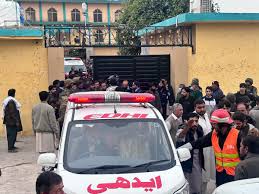
A devastating suicide attack struck a Shia mosque in Pakistan’s capital, Islamabad, on Friday, February 6, 2026, resulting in the deaths of at least 31 people. The bomber reportedly detonated an explosive vest at the entrance of the mosque just as worshippers gathered for Friday prayers. The blast sent shockwaves through the federal capital, leaving at least 169 others injured, many of whom are in critical condition. Emergency services acted swiftly, transporting the victims to the Pakistan Institute of Medical Sciences (PIMS) and CDA Hospital.
In the immediate aftermath of the explosion, the Islamabad administration declared a state of emergency across all major medical facilities. Specialist departments, including trauma, neurology, and burn care, were placed on high alert to manage the massive influx of casualties. Security forces have since cordoned off the area and intensified surveillance across the city to prevent further attacks. While the scale of the tragedy has paralyzed the capital, no militant group has yet officially claimed responsibility for the carnage.
This attack marks a significant security failure and echoes a similar suicide bombing that occurred in November 2025 outside a district court in the city. The recurring violence has deepened concerns over the rising tide of sectarian and extremist activity within Pakistan’s most protected zones. Historically, such incidents have led to diplomatic friction, with Pakistani authorities often attempting to shift blame onto external actors, while the international community continues to urge the country to address its internal stability and counter-terrorism frameworks.