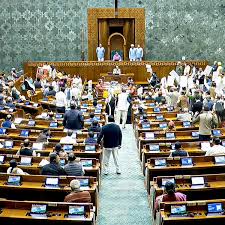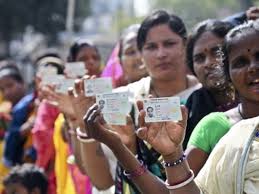
Bangladesh is preparing for its 13th general election on February 12, marking one of the most significant political milestones since its independence in 1971. In a unique move, voters will cast two separate ballots: one to elect their Members of Parliament and another for a national referendum on the “July National Charter 2025.” This dual mandate follows the political upheaval of August 2024, which led to the ousting of the Sheikh Hasina-led government and the establishment of an interim authority.
The “July Charter” is a comprehensive reform framework containing 84 proposals aimed at dismantling authoritarian structures and institutionalizing democratic governance. Key features include imposing term limits for the Prime Minister, establishing a bicameral legislature, and ensuring the independence of the judiciary and electoral oversight bodies. It also seeks to provide legal protections for the “July Fighters” who participated in the 2024 uprising and proposes the permanent restoration of a neutral caretaker government system to oversee future elections.
If the referendum receives a “Yes” vote, the newly elected Parliament will be legally bound to function as a Constitutional Reform Council. This council must enact the necessary constitutional amendments within 270 days. Should they fail to meet this deadline, the interim government’s reform bill will be automatically enacted. While the current constitution does not explicitly mention referendums, legal experts argue it is the most legitimate way to anchor these monumental changes in the direct will of the people during this transitional period.