The White House revised its factsheet within 24 hours of its initial release after India flagged several inaccuracies. One of the most significant changes was the softening of language regarding India’s purchase commitments. The original version stated that India “commits” to buying over USD 500 billion in American goods; however, the updated text now states that India “intends to buy” these products, including energy, technology, and coal. This shift from a firm legal commitment to an expression of intent more accurately represents the non-binding nature of the purchase roadmap outlined during the negotiations.
The revisions addressed several sensitive sectors where the initial US claims had exceeded the agreed terms:
-
Agriculture and Pulses: The revised factsheet completely removed the reference to “certain pulses” from the list of products for which India would reduce tariffs. Pulses are a highly sensitive commodity in India, and their removal ensures protection for domestic farmers and price stability.
-
Digital Services Tax (DST): The claim that India would immediately “remove its digital services taxes” was dropped. The new version states that both nations are committed to negotiating bilateral digital trade rules, reflecting that specific tax terms are still under discussion.
-
Reciprocal Tariffs: The framework confirms that the US will lower reciprocal tariffs on Indian goods to 18% (down from previous highs), while India will reduce duties on a wide range of US industrial and select agricultural products like tree nuts, soybean oil, and spirits.
The Path Toward a Final Agreement:
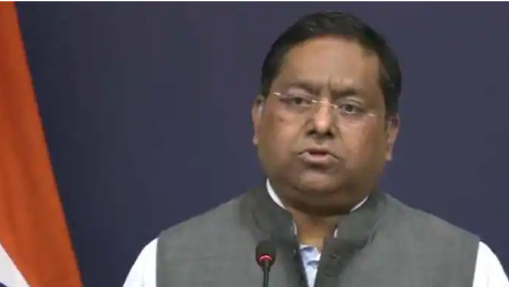
MEA spokesperson Randhir Jaiswal reiterated that the 7 February joint statement is the “foundation” of the relationship and that both sides are now working toward finalizing the interim pact by mid-March 2026. This interim agreement is viewed as a precursor to a comprehensive Bilateral Trade Agreement (BTA). The swift correction of the factsheet is seen by diplomatic experts as a sign of India’s proactive stance in ensuring that trade documents strictly mirror the “red lines” and strategic interests established by the Indian government.