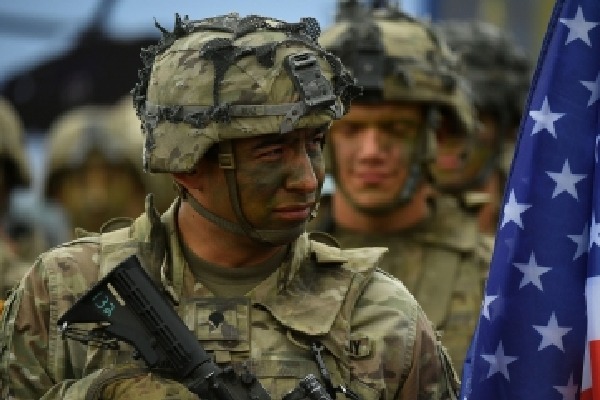
Six American service members have been killed in action as US forces continue major combat operations against Iran, US Central Command said.
“As of 4 pm ET, March 2, six US service members have been killed in action,” CENTCOM said, adding that US forces had “recently recovered the remains of two previously unaccounted-for service members from a facility that was struck during Iran’s initial attacks in the region.”
“Major combat operations continue,” the command said. “The identities of the fallen are being withheld until 24 hours after next of kin notification.”
CENTCOM said Operation Epic Fury “involves the largest regional concentration of American military firepower in a generation.”
A fact sheet released by the command said the operation commenced “at the direction of the President of the United States” at 1:15 am on February 28, 2026. It is being conducted in the CENTCOM Area of Responsibility. Targets are located in Iran.
The document said US forces are “striking targets to dismantle the Iranian regime’s security apparatus, prioritising locations that pose an imminent threat.” It added that “Over 1,250” targets have been struck in the first 48 hours.
Assets deployed include B-1 and B-2 bombers, F-15, F-16, F-18, F-22 and F-35 fighter jets, A-10 attack aircraft, Patriot and THAAD missile systems, nuclear-powered aircraft carriers, guided-missile destroyers and MQ-9 Reapers.
The targets include “Command and Control Centers,” “IRGC Joint Headquarters,” “IRGC Aerospace Forces Headquarters,” “Integrated Air Defense Systems,” “Ballistic Missile Sites,” “Iranian Navy Ships,” and “Iranian Navy Submarines.”
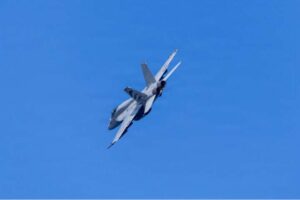
CENTCOM also said: “Multiple squadrons of F/A-18s are supporting sustained operations against Iran. US forces are flying day and night to deliver overwhelming ???????? firepower.”
In a separate post, it said Iran no longer has a naval presence in the Gulf of Oman.
“Two days ago, the Iranian regime had 11 ships in the Gulf of Oman; today, they have ZERO,” it said.
“The Iranian regime has harassed and attacked international shipping in the Gulf of Oman for decades. Those days are over. Freedom of maritime navigation has underpinned American and global economic prosperity for more than 80 years. US forces will continue to defend it.”
The Gulf of Oman links the Arabian Sea to the Strait of Hormuz. A large share of global oil shipments passes through the region. Any disruption affects global energy markets, including major importers such as India.