The current trajectory of American foreign policy under President Trump is creating an atmosphere of intense global anxiety, characterized by what many analysts describe as “economic warmongering.” From disregarding international climate agreements to the sudden detention of foreign leaders—as seen in Venezuela—the U.S. is being perceived as a power that views allies and rivals alike with condescension. The administration’s penchant for “false publicity,” such as claims of single-handedly stopping an Indo-Pak war, combined with threats of imposing up to 500% tariffs on nations that do not align with its directives, has painted a picture of a world where economic bullying replaces traditional diplomacy.
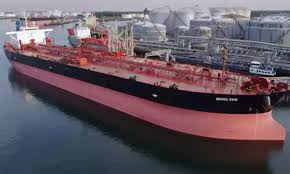
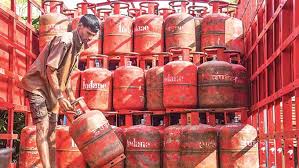
A primary pillar of this new unrest is the “Russia Sanctions Act 2025,” a bill that threatens to fracture the long-standing India-U.S. relationship. By imposing massive tariffs on secondary purchases of Russian oil, the U.S. is directly challenging the strategic autonomy of nations like India, China, and Brazil. For a country with a massive population like India, affordable energy from Russia is a necessity, yet the Trump administration appears determined to penalize such trade. Furthermore, the U.S. has intensified its pressure on Iran, encouraging internal dissent while threatening 25% tariffs on any nation—including the UAE and Iraq—that maintains trade ties with Tehran. This aggressive stance is viewed as a calculated move to push rivals into economic crises while consolidating U.S. control over global resources.
Strategically, the U.S. seems to be pursuing a dual-agenda: obstructing the economic development of non-compliant nations while aggressively expanding its own resource base. Efforts to acquire mineral-rich Greenland and secure Venezuela’s vast oil reserves underscore this resource-driven ambition. Despite being the catalyst for widespread global tension and utilizing trade as a weapon of war, President Trump continues to frame himself as a “messenger of peace,” even suggesting he is a prime candidate for the Nobel Peace Prize. To the global public, the irony of a leader who stokes international instability claiming the mantle of peace is a stark reflection of the shifting—and increasingly volatile—nature of modern international politics.