The autobiography of former Indian Army Chief General Manoj Mukund Naravane, titled Four Stars of Destiny, has sparked a major political storm in India. The book’s release was reportedly stalled following objections from the Ministry of Defence, yet it became a central point of contention in Parliament when Opposition leader Rahul Gandhi displayed it during a session. General Naravane finally broke his silence on the matter by sharing a social media post from his publisher, Penguin Random House India, simply stating, “This is the current status of my book,” referring to the official clarification that the book has not yet been authorized for digital or print release.
The controversy intensified after Rahul Gandhi cited specific portions of the book in the Lok Sabha, particularly those detailing the May 2020 border standoff with China. Addressing the media, Gandhi clarified that he accessed the text through an online store link that General Naravane had allegedly posted on X (formerly Twitter) in December 2023. This claim has raised serious legal questions, leading Delhi Police to register a case regarding the unauthorized circulation of the book’s contents online. The publisher, Penguin India, has also warned of legal action against those distributing pirated or unauthorized copies, citing a breach of copyright laws.
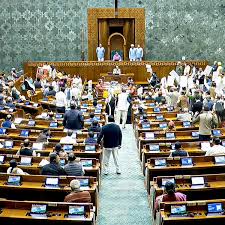
The fallout from the book’s mention in Parliament has led to significant legislative disruptions. During a discussion on the Motion of Thanks to the President’s Address, the Speaker objected to the book’s display, and Union Ministers intervened, eventually resulting in the suspension of eight opposition MPs for their protests. Consequently, the Motion of Thanks was passed in the Lok Sabha without the Prime Minister’s concluding reply. As the legal battle over the leaked manuscript continues, the incident has highlighted the sensitive nature of military memoirs and the ongoing tension between national security protocols and political transparency.