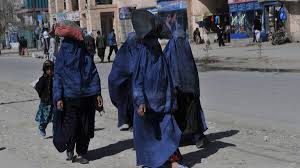
The new legal framework, officially titled De Mahakumu Jazaai Osulnama, introduces a hierarchical justice system that categorizes citizens into four distinct classes: religious scholars (ulama), the elite (ashraf), the middle class, and the lower class. Under this code, legal consequences are determined by social standing rather than the nature of the crime itself. For identical offenses, a religious scholar may receive only private advice or a warning, while a member of the lower class could face severe corporal punishment and imprisonment.
A particularly disturbing aspect of the code involves the legalization of domestic violence. According to Article 32, a husband can only be held criminally liable for assaulting his wife if the abuse results in severe, visible injuries such as broken bones or open wounds. Even in these extreme cases, the maximum penalty for the husband is a mere 15 days of imprisonment, and the legal burden of proof rests entirely on the woman. Conversely, Article 34 mandates that a woman can be jailed for up to three months if she leaves her husband’s home without permission and refuses to return.
Human rights organizations, including the UN and various Afghan advocacy groups like Rawadari, have warned that this code effectively treats women as property and erases decades of legal progress. The document also notably revives the language of “slavery,” granting “masters” the authority to physically punish those under their control. International observers emphasize that these laws entrench a system of gender apartheid and eliminate any remaining protections for vulnerable groups in Afghanistan.