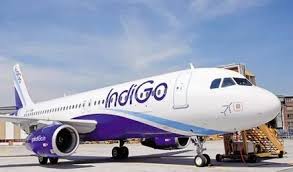
IndiGo’s move reflects a broader industry trend as airlines struggle to absorb the skyrocketing costs of jet fuel, which constitutes a major portion of their operating expenses. The airline stated that the measure is a necessary response to the volatile energy market triggered by the ongoing conflict in the Gulf. This surcharge will be applied across its entire network, making last-minute bookings and upcoming summer vacations more expensive for travelers across the country.
IndiGo is not alone in this strategy; Air India and Air India Express have also initiated similar measures to protect their margins. Air India introduced a flat surcharge of ₹399 on domestic routes effective March 12, while their international surcharges vary significantly by region. For instance, travelers flying to Africa could see a hike between $30 and $90, while those heading to Southeast Asia will face an additional fee of $20 to $60 per ticket.
The aviation industry warns that these surcharges may be implemented in phases as carriers continue to monitor the geopolitical situation. While the government has urged consumers to avoid panic, the reality of high fuel costs is now being passed directly to the flyer. With oil prices under pressure from the “Hormuz crisis,” these surcharges are likely to remain in place until global supply chains stabilize and regional tensions ease.