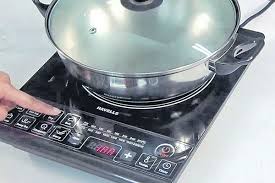
In the wake of a potential LPG shortage fueled by global conflicts, the Tamil Nadu government has taken a proactive step to promote energy alternatives. Chief Minister M.K. Stalin’s administration announced on Saturday that hotels, tea stalls, and cloud kitchens switching from gas cylinders to induction stoves will receive a subsidy of ₹2 for every additional unit of electricity consumed. This incentive is designed to help the hospitality sector cope with the rising costs and scarcity of commercial LPG, ensuring that businesses can remain operational without passing the burden of increased prices onto customers.
The subsidy policy follows a high-level meeting where the government analyzed the impact of the West Asian crisis on fuel supplies. To qualify for the benefit, the Tamil Nadu Electricity Board (TNEB) will compare current usage against the average of the previous two months’ bills; any increase attributed to the shift toward high-capacity induction heaters will be eligible for the ₹2 discount per unit. This offer extends beyond just restaurants to include small-scale entrepreneurs, farmers, and micro, small, and medium enterprises (MSMEs) that invest in high-efficiency electric cooking equipment.
In addition to the electricity subsidy, the government has decided to distribute kerosene to ration cardholders to mitigate the domestic fuel crunch. As the demand for induction stoves surges in urban markets, the state’s move is seen as a strategic shift toward electrical energy, which is currently more stable than imported gas. By providing this financial cushion, Tamil Nadu aims to stabilize the prices of essential food items while encouraging a long-term transition to cleaner and more efficient cooking technologies across the state.