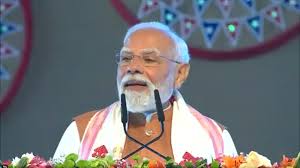
The escalating tensions in the Middle East have sent shockwaves through the global oil market, pushing crude prices up by nearly 50%. While petrol and diesel prices in India have remained relatively stable at ₹94.77 and ₹87.67 respectively over the past few months, experts warn that this stability is becoming unsustainable. Prime Minister Narendra Modi’s recent appeal to the nation to save energy is being interpreted by analysts as a subtle warning of a looming and significant hike in fuel prices.
Government-run oil marketing companies (OMCs) like IOC, BPCL, and HPCL are facing massive financial strain as they continue to sell fuel at old rates despite the international price surge. Currently, these companies are incurring a daily “under-recovery” loss of approximately ₹1,600 to ₹1,700 crores, with the cumulative loss already surpassing the ₹1 lakh crore mark. With their reserves dwindling, the possibility of maintaining current retail prices is fading, making a price correction almost inevitable to save the oil sector from a financial collapse.
To mitigate the burden on common citizens, the central government has already slashed excise duties significantly. However, these cuts have led to a monthly revenue loss of about ₹14,000 crores for the treasury. The rising cost of crude imports is also widening the Current Account Deficit (CAD), threatening India’s broader economic security. As the “Gulf War” dynamics triggered by international geopolitical shifts continue to affect 40% of India’s crude imports, citizens are advised to prepare for a surge in transportation and essential commodity costs in the coming weeks.