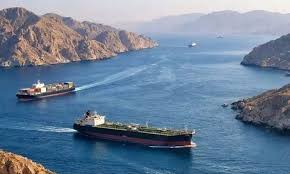
In a sudden escalation of Middle East tensions, Iran’s central military command—the Khatam al-Anbiya Central Headquarters—announced on Saturday, June 20, 2026, that the strategic Strait of Hormuz is completely closed to all commercial vessel traffic. This volatile blockade comes just days after the vital maritime corridor had briefly reopened following a newly minted US-Iran peace agreement. The sudden reversal has sent shockwaves through international markets, raising immediate concerns over a historic disruption to global oil and gas shipments.
Tehran explicitly attributed the maritime blockade to what it described as “the enemy’s breach of promise,” pointing directly to continuing Israeli military strikes on southern Lebanon despite a newly brokered truce. Iranian state media reported that the military command viewed these actions, along with a failure by Washington to properly implement the first clause of their post-war Memorandum of Understanding (MoU), as a flagrant breach of diplomatic commitments. Iran declared this closure as an initial response and warned that further tactical measures would be planned if regional military aggression continues.
The total closure of the Strait of Hormuz poses an immediate threat to global energy security, as nearly one-fifth of the world’s oil supply flows through this narrow waterway daily. While White House officials and US Vice President JD Vance initially stated they saw no immediate evidence of a physical shutdown and expressed hope that broader diplomatic talks scheduled in Switzerland would proceed, international shipping lines remain on high alert. For major importing nations like India, which relies heavily on Middle Eastern crude oil transit routes, a prolonged blockade could trigger a significant spike in domestic fuel prices and impact retail petroleum markets.