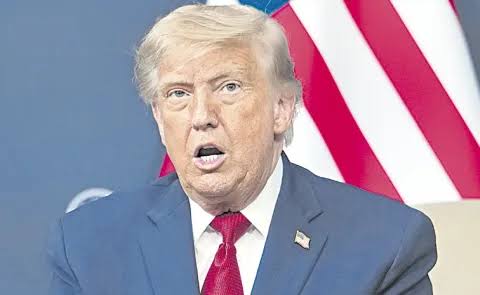
Amidst Israel’s ongoing military actions in southern Lebanon, US President Donald Trump made sharp and intriguing remarks, stirring international dialogue. Speaking during the crucial US-Iran peace talks, Trump expressed his strong disapproval of Israel’s ill-timed military operations, which critics argue could disrupt the diplomatic progress. When questioned by reporters on how he plans to prevent Israel’s actions from obstructing the Switzerland negotiations, Trump confidently asserted his reputation as a fast problem solver, stating he would handle Israeli Prime Minister Benjamin Netanyahu (Bibi) in the same swift manner.
In response, Prime Minister Benjamin Netanyahu stood firm, delivering a robust and unyielding counter-stance. He made it clear that the safety and security of the Israeli people remain his topmost priority, and Israeli forces will occupy the southern Lebanon security zone for as long as necessary. Netanyahu argued that any sovereign nation would act identically under similar threats to eradicate cross-border terrorism. Furthermore, he emphasized that regardless of whether the US-Iran talks succeed or fail, Iran will never be allowed to acquire nuclear weapons as long as he remains in office.
These developments highlight a growing strategic rift between traditional allies, the United States and Israel, since the initiation of the US-Iran peace process. While Trump insists that Israel must align with Washington’s directives and halt its offensives in Lebanon, Netanyahu’s counter-argument—that both are independent nations operating strictly under their respective national interests—has intensified the debate. With Trump mounting diplomatic pressure on Netanyahu to accept the Iran deal, this war of words between the global leaders has added an unpredictable layer of tension to Middle Eastern politics.