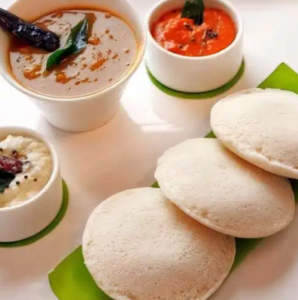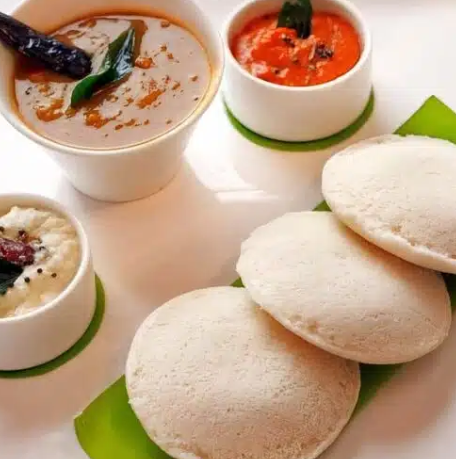
The humble idly, a staple breakfast in millions of households, holds a fascinating history that dates back nearly a thousand years. While it is widely considered a quintessential South Indian dish, culinary historians suggest its roots have surprising connections to ancient traditions and neighboring cultures. Over the centuries, this soft, steamed delicacy has evolved remarkably from its early origins into the beloved culinary icon we know today.
Linguistic and historical records indicate that the earliest, albeit different, versions of idly were mentioned in ancient Kannada and Sanskrit texts from the 10th and 11th centuries. However, the modern method of fermentation and steaming using a batter of rice and urad dal is believed to have been influenced by techniques brought over by Arab traders or Indonesian chefs. Over time, South Indian kitchens refined these methods, perfecting the fluffy texture that makes it universally cherished.
Despite the various cultural influences, the idly has firmly established itself as a crown jewel of Indian gastronomy. Its incredible health benefits—being easily digestible and steamed without oil—have allowed it to transcend regional boundaries and gain global popularity. Today, this thousand-year-old tradition continues to be celebrated, remaining an integral part of cultural identity and daily life.