A Major Shift in Chinese Diplomacy
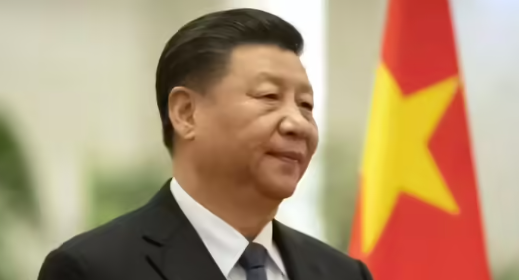
In a significant departure from its usual neutral stance on West Asian maritime disputes, China has officially addressed the escalating tensions surrounding the Strait of Hormuz. On Monday, April 20, 2026, Chinese President Xi Jinping described the strait not as the property of any single nation or region, but as a vital “international waterway” belonging to the global community. Amidst growing instability in the region, Xi issued a strong call for the immediate restoration of normal shipping operations, emphasizing that the smooth flow of trade through this passage is essential for international stability.
High-Level Discussions with Saudi Leadership
President Xi’s remarks came during a high-stakes telephone conversation with Saudi Arabian Crown Prince Mohammed bin Salman. During the call, Xi expressed deep concern over the potential for prolonged blockades, noting that the security of the Strait of Hormuz is a matter of collective benefit for all nations. He stressed that global energy security hinges on keeping this route open at all times, signaling China’s intent to play a more active role in de-escalating the friction between Iran and other global powers that have recently threatened to stifle maritime traffic.
China’s Strategic and Economic Stakes
China’s vocal intervention is driven by its massive economic reliance on the strait, as the world’s largest oil importer. Approximately 60% of China’s crude oil supplies transit through this narrow passage, making any closure a direct threat to its industrial stability and economic growth. Despite China’s traditionally close ties with Iran—which claims sovereign rights over the waterway—Beijing’s latest stance prioritizes its own energy interests and the broader global economy. As tensions rise following reports of Iranian forces targeting Indian vessels and US-Iran diplomatic efforts faltering, China’s direct pressure marks a potential turning point in the West Asian crisis.