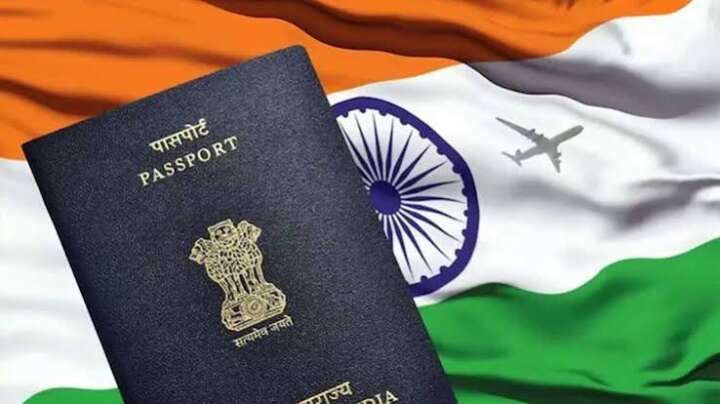
The Ministry of External Affairs’ clarification on June 24, 2026, stating that a passport is merely an international travel document and not conclusive proof of citizenship, has sparked a massive nationwide debate. Opposing political figures and prominent citizens have sharply questioned why an officially vetted document—which undergoes extensive multi-layered verification and rigorous police checks—cannot serve as definitive proof of nationality. Given that an Aadhaar card only verifies residency, a Voter ID certifies the right to vote, and a PAN card serves income tax infrastructure, citizens are left grappling with a vital question: what legally establishes true “Indian Citizenship”?
According to statutory frameworks and previous guidelines released by the government during the National Register of Citizens (NRC) planning phases, specific baseline documents are legally required to verify and establish an individual’s status as an Indian national. These primary documents track the origin, birth, and legal presence of a resident or their parents within the country’s sovereign borders:
-
Official Birth Certificate: The foundational document that registers the precise date, year, and place of birth under a recognized municipal or state authority.
-
Parental Citizenship Records: Certified birth records, land deeds, or ancestral government logs proving that the applicant’s parents were legitimate citizens of India.
-
Certified Educational Certificates: Authentic school-leaving, matriculation, or institutional board certificates issued by recognized government bodies or universities.
-
Ancestral Land/Property Records: Certified land revenue records or historic public documents establishing a family’s long-term lineage and legal domicile in India.
Under the historic Citizenship Act, 1955, there are five distinct legal mechanisms through which a person can rightfully acquire or possess Indian nationality. The first is By Birth, granted to individuals born on Indian soil under specified timelines, followed by By Descent, inherited via parental lineage for those born abroad. The third and fourth pathways are By Registration and By Naturalisation, which cater to foreigners or long-term residents who successfully meet strict statutory criteria and continuous residency rules. Finally, nationality can be granted By Incorporation of Territory, where the Government of India absorbs a new geographical region and automatically extends citizenship rights to its native inhabitants.