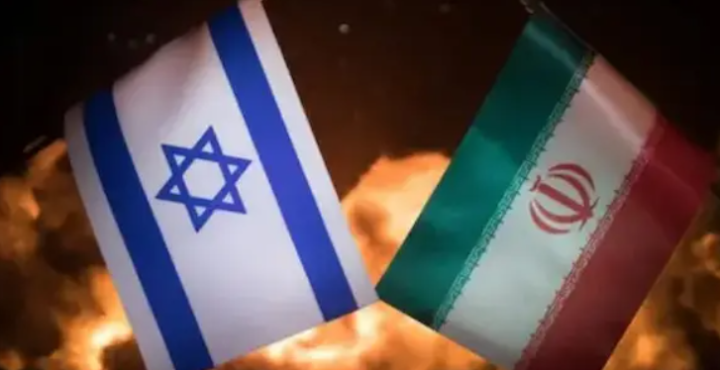
The military tensions between Israel and Iran, bolstered by support from the United States, have reached a critical flashpoint, with airstrikes increasingly targeting strategic military installations and nuclear sites. This escalating warfare has transformed the region into a volatile combat zone, where Iran has retaliated by targeting key Israeli positions and American bases across Gulf nations. Amidst this high-stakes military posturing, the most devastating impact is felt on the ground by innocent civilians. Living in constant fear of sophisticated drones and missiles, residents in conflict zones spend their days and nights in uncertainty, as modern weaponry frequently veers into residential areas, claiming the lives of those caught in the crossfire.
Beyond the immediate loss of life, the conflict is wreaking havoc on the economic and environmental health of the involved nations. The detonation of advanced explosives releases toxic chemicals into the atmosphere, leading to severe pollution and long-term ecological damage. Modern warfare does not just destroy buildings; it cripples the very fabric of society, leading to economic instability and the depletion of vital geographical resources. Despite the technological advancement of the 21st century, the persistence of violent struggle suggests a regressive trend. True progress lies not in the precision of a missile, but in the ability of nations to resolve deep-seated animosities through diplomatic dialogue and mutual understanding.
The war in West Asia has further disrupted global trade and commerce, particularly affecting the maritime transport of crude oil as tankers become strategic targets. Historical structures and essential infrastructure are collapsing, leaving future generations with a burden of debt and destruction that may take decades to repair. It is a somber reality that while global powers vie for dominance, the majority of people worldwide—regardless of their nation’s wealth—desire peace over conflict. Ultimately, violence offers no permanent resolution to systemic issues. The only viable path forward for global stability is for major powers to prioritize non-violence and unity, engaging in sincere peace talks to de-escalate tensions before the humanitarian cost becomes irreparable.