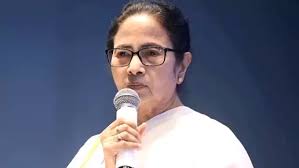
In a historic political shift, the Bharatiya Janata Party (BJP) has formed its first-ever government in West Bengal, with Suvendu Adhikari being sworn in as the Chief Minister on Saturday. This transition marks the end of Mamata Banerjee’s long-standing tenure following a fierce electoral battle where the BJP secured 206 seats out of 294, leaving the Trinamool Congress (TMC) with just 80. Suvendu Adhikari, a former close aide of Banerjee, achieved a personal victory by defeating her in the Bhawanipur constituency, mirroring his past success against her in Nandigram.
The transition was marked by significant constitutional friction, as Mamata Banerjee initially refused to resign despite the election results, labeling the outcome a “conspiracy” and a “loot of the mandate.” She maintained that she would not step down or leave the Chief Minister’s residence, leading Governor R.S. Ravi to exercise his powers under Article 174(2)(b) of the Constitution to officially dissolve the Legislative Assembly. The dissolution order became effective on May 7, clearing the legal path for the new administration to take charge.
Following the oath-taking ceremony of the new government, Mamata Banerjee appeared to acknowledge the change by updating her social media profile. Her “X” (formerly Twitter) bio now describes her as the “Founder President of Trinamool Congress” and “Chief Minister of West Bengal (15th, 16th, and 17th Assembly),” a shift from her previous designation as simply the Chief Minister. This update signals a strategic pivot as she moves into the opposition role, even as she continues to challenge the validity of the election results in the public eye.