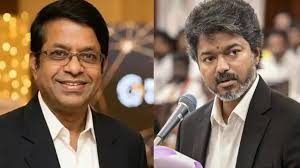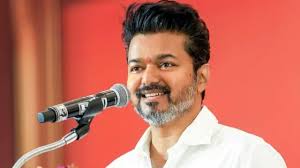
Actor-turned-politician Vijay has scripted a historic chapter in Indian politics as his party, Tamilaga Vettri Kazhagam (TVK), emerged as a dominant force in the 2026 Tamil Nadu Assembly elections. Founded only two years ago in 2024, TVK secured 108 seats with a 35% vote share, successfully challenging the long-standing hegemony of the DMK and AIADMK, while also outperforming national giants like the BJP and Congress.
A Campaign of Dignity and Innovation
Vijay’s victory is being compared to the legendary N.T. Rama Rao’s rise in Andhra Pradesh, but with a modern twist. His campaign was marked by a “dignified” approach; he avoided derogatory remarks against rivals and refrained from traditional press meets, instead leveraging social media and his massive fan base, Vijay Makkal Iyakkam (VMI). Notably, he gave tickets to fresh faces—including the son of his own driver—and built a unique rapport with voters by humorously addressing DMK leaders as “Stalin Uncle” and appealing to children to ask their parents to vote for their “Mama” (Uncle Vijay).
Overcoming Institutional Hurdles
The path to power was not without friction. Following the results, the Governor reportedly delayed the swearing-in ceremony multiple times, leading to a tense standoff that drew comparisons to the controversial dismissal of the NTR government by Governor Ram Lal in the 1980s. Despite the political maneuvering and the tragic stampede during his first major rally, Vijay maintained his composure and “hero-like” patience, consistently proving his strength to the Governor until his path to the Chief Minister’s chair was cleared.
High Expectations for Governance
With this victory, Vijay joins the elite ranks of MGR, NTR, and Jayalalithaa—stars who successfully transitioned from the silver screen to the Secretariat. While critics pointed out his populist promises and freebies, the people of Tamil Nadu have placed immense faith in his “corruption-free” image. The entire nation now watches with bated breath to see if the “Hero” of Kollywood can deliver “Super-governance” as the Chief Minister on the real-world stage.