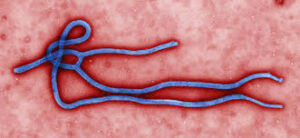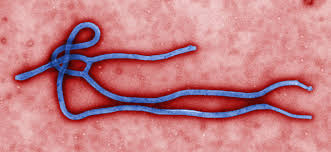
In response to the rapid spread of the Ebola virus across several African nations, the Union Ministry of Health and Family Welfare has issued a comprehensive high-alert advisory across major transit points in India. Following the World Health Organization’s (WHO) declaration of an international health emergency, the central government has mandated stringent screening procedures at all international airports and seaports. The entry-level protocols will explicitly target passengers arriving directly from or transiting through heavily impacted regions, specifically the Democratic Republic of Congo, Uganda, and South Sudan, to prevent any local transmission.
According to the newly enforced health guidelines, all travelers with a recent travel history to the affected nations must undergo meticulous medical screening upon arrival. The ministry has advised passengers exhibiting any potential symptoms to immediately report to the Airport Health Officer or designated health desks. Furthermore, individuals who test negative initially but develop symptoms within a 21-day incubation window are strictly instructed to isolate, contact medical professionals, and explicitly disclose their international transit timeline. While no active Ebola cases have been recorded in India to date, the implementation of these preemptive screening defenses remains absolute.
Medical experts from the All India Institute of Medical Sciences (AIIMS) have clarified that while Ebola is a highly fatal zoonotic infection belonging to the Orthoebolavirus genus, it does not spread through the air like COVID-19. Transmission occurs strictly through direct contact with the blood, saliva, sweat, or other bodily fluids of an infected individual, meaning the general public and standard travelers face a relatively low risk of contracting the virus. To review readiness, Union Health Secretary P.S. Srivastava chaired a high-level coordination meeting with state and union territory officials, instructing regional administrations to optimize isolation facilities and maintain strict epidemiological surveillance to ensure comprehensive national preparedness.