Five and a half decades after its defeat in the 1971 Bangladesh Liberation War, Pakistan is attempting to expand its naval presence into the strategically sensitive waters of the Bay of Bengal. Following the collapse of the Sheikh Hasina-led government in Bangladesh in July 2024, Islamabad has been aggressively cultivating geopolitical ties with Dhaka, establishing direct sea routes and initiating defense collaborations. The recent statement by Commodore Omar Farooq, commander of a visiting Pakistani naval flotilla in Sri Lanka, has officially brought Pakistan’s maritime ambitions to light, raising eyebrows among defense analysts in India.
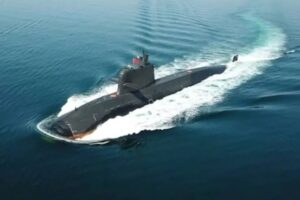
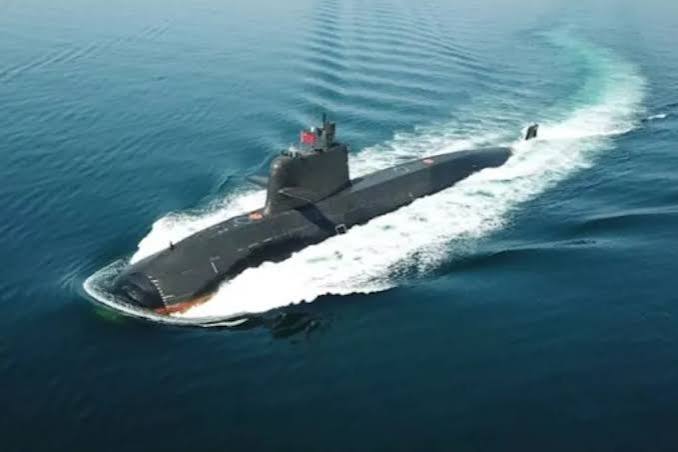
The pivot relies heavily on Pakistan’s fast-tracked acquisition of eight Hangor-class submarines developed by China. These advanced vessels are equipped with Air Independent Propulsion (AIP) systems, allowing them to remain submerged significantly longer than standard diesel-electric submarines and making them highly difficult to detect. Commodore Farooq boldly termed these stealth submarines a “game-changer,” stating that they will allow the Pakistan Navy to project its military power beyond the Arabian Sea and deploy effectively within the international waters of the Bay of Bengal.
While the Indian Navy possesses a massively superior fleet—complete with indigenous nuclear-powered submarines and aircraft carriers—compared to Pakistan’s heavily import-dependent force, the deployment remains a strategic concern. The Bay of Bengal is home to India’s Eastern Naval Command at Visakhapatnam, where India’s nuclear submarines are built and the high-security ‘INS Varsha’ base is located. While international maritime regulations allow any nation to operate freely in international waters beyond the 200-nautical-mile Exclusive Economic Zone (EEZ), the regular presence of Chinese-built Pakistani submarines near India’s critical eastern coastline introduces long-term security challenges.