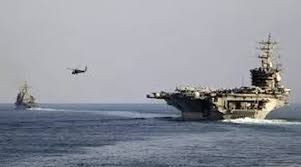
The global energy market has entered a perilous phase following Iran’s blockade of the Strait of Hormuz, a critical maritime artery responsible for the transit of nearly 20% of the world’s daily oil and gas consumption. While international crude prices have hovered around $100 per barrel recently, industry giants like Chevron and Exxon warn that this is merely the “calm before the storm.” The relative market stability seen over the past two months was sustained only by pre-war shipments and strategic national reserves, but experts clarify that this temporary buffer has now been exhausted.
Financial analysts and oil executives highlight that the global “safety margin”—the surplus production capacity and extra stock used to stabilize prices during crises—has plummeted to historic lows. Countries that relied on existing stockpiles are facing a severe crunch as they head into June and July. If the Strait of Hormuz is not reopened shortly, global oil inventories are projected to hit their lowest levels in recorded history by September, potentially triggering an unprecedented price explosion and supply chain paralysis.
The impact is already being felt acutely across Asia, particularly in import-dependent nations like India and China. Numerous refineries have been forced to scale back production due to the lack of raw crude, leading to fuel shortages and immense pressure on the transportation sector. As petrol and diesel costs rise, governments are bracing for a period of high inflation and are issuing advisories to the public to prepare for a sustained energy crisis. The situation remains a race against time to find diplomatic or alternative logistical solutions before the global economy faces a total breakdown.