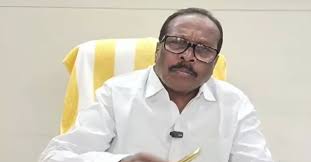
Financial Constraints Force Private Partnership
APSRTC Chairman Konakalla Narayana stated that introducing private operators to manage and run electric buses is an absolute necessity for the corporation. He explained that transitioning the current fleet of 10,000 diesel buses to eco-friendly electric variants would require a massive investment of around ₹15,000 crore, given that a single electric bus costs nearly ₹1.60 crore. Since neither APSRTC nor the Andhra Pradesh state government currently possesses the financial capacity for such a massive capital expenditure, collaborating with private operators while utilizing central government subsidies remains the only viable alternative.
Free Travel Impact and Fare Assurance
The Chairman highlighted that the implementation of the free bus travel scheme for women has placed a severe financial strain on APSRTC’s revenues. Despite these challenging economic conditions and the continuous rise in diesel prices, he firmly assured the public that the corporation has no plans to increase passenger ticket fares. He noted that leveraging private partnerships to absorb initial vehicle costs will help insulate the corporation from further immediate deficits while maintaining public affordability.
Cost Benefits and Environmental Advantages
Narayana shared comparative operational statistics, noting that while diesel buses cost ₹19 per kilometer to operate, electric buses reduce that operational cost drastically to just ₹7 per kilometer. By deploying electric buses through a public-private partnership, APSRTC aims to significantly curb environmental pollution and lower its ongoing operational expenditures. The Chairman emphasized that these savings will ultimately help the corporation stabilize its finances and deliver superior, modernized transportation services to its commuters.