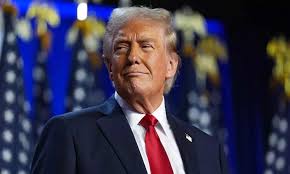
U.S. President Donald Trump has made a significant announcement regarding the escalating tensions in West Asia, suggesting that a resolution to the conflict between the United States and Iran is imminent. Speaking to the media at the White House on April 17, 2026, Trump stated that Iran has agreed to return its stockpiles of uranium and nuclear dust—materials the U.S. alleges Tehran intended to use for nuclear weapons development. The President emphasized that both sides are very close to finalizing a peace agreement that could end six weeks of intense conflict.
In a move that signals a shift in regional diplomacy, Trump revealed that if the peace deal with Iran is finalized in Islamabad, he intends to visit Pakistan. He expressed confidence that Iran is now willing to abandon its pursuit of nuclear weapons and hand over its current supplies, conditions that Tehran had long resisted. Additionally, Trump noted that the proposed agreement would include the reopening of the strategic Strait of Hormuz, which has been under heavy blockade by U.S. forces, including 10,000 troops and 100 fighter jets.
While the President is optimistic about a permanent solution, he clarified that the U.S. does not intend to extend the current two-week ceasefire solely for negotiations, believing a resolution will be reached shortly. In tandem with these developments, Trump also announced a ten-day ceasefire agreement between Israel and Lebanon. He has directed high-ranking officials, including Vice President JD Vance and Secretary of State Marco Rubio, to work closely with both nations to establish a lasting peace framework in the region.