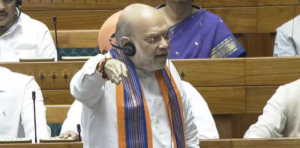
The political landscape in India is currently dominated by the discourse surrounding the Women’s Reservation Bill, titled the “Nari Shakti Vandan Adhiniyam.” Prime Minister Narendra Modi recently addressed the Lok Sabha, emphasizing that this bill is not merely a piece of legislation but a historic leap toward women-led development and a “Viksit Bharat” (Developed India). Asserting that progress is incomplete without women’s equal participation in policymaking, the Prime Minister urged opposition parties to refrain from politicizing the move, warning that those who oppose it would eventually face the consequences from the nation’s women.
While the opposition parties claim they are not against the reservation, they have raised significant objections regarding the timeline of its implementation. Leaders from the Congress and Samajwadi Party argue that the 33% quota should be implemented immediately based on the current 543 Lok Sabha seats. They criticize the government’s decision to link the reservation with the post-census delimitation process, which could potentially delay the actual benefits until 2034. The opposition contends that this linkage creates an unnecessary wait for women and demands a simplified, immediate rollout.
The NDA government is strategically positioning this bill to secure the support of the female electorate, which constitutes nearly half of the voting population. By championing “Nari Shakti,” the ruling alliance hopes to create a massive “wave of women’s votes” in their favor. On the other hand, the INDIA bloc is attempting to counter this by demanding a separate OBC quota within the women’s reservation and raising concerns that the seat redistribution under delimitation might disadvantage Southern states. Whether this bill becomes a genuine tool for empowerment or remains a calculated election slogan is a question that only the upcoming political cycles will answer.