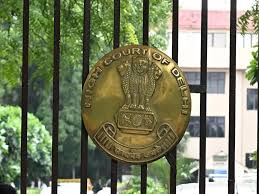
The Delhi High Court on Friday delivered a landmark judgment upholding the Telecom Regulatory Authority of India’s (TRAI) regulation that restricts television advertisements to a maximum of 12 minutes per clock hour. A division bench comprising Justices Anil Kshetarpal and Amit Mahajan dismissed a comprehensive batch of 17 petitions filed by various general entertainment, news, and regional broadcasters. The broadcasters had legally challenged Rule 7(11) of the Cable Television Network Rules, 1994, and the 2012 Quality of Service regulations, which cap commercial advertisements at 10 minutes and self-promotional content at 2 minutes per hour.
The broadcasters argued that the hourly restriction directly infringed upon their constitutional rights under Article 14 (Equality before law) and Article 19 (Freedom of speech and business). However, the High Court firmly rejected these arguments, concluding that TRAI acted well within its statutory powers under Section 11 of the TRAI Act to enhance the quality of service for viewers. The bench noted that unlike digital media users, television viewers cannot skip or fast-forward commercial breaks; therefore, excessive or artificially clustered advertisements directly impair the consumer’s right to a fair and non-disruptive viewing experience.
Furthermore, the Court emphasized that broadcast airwaves and spectrum are scarce public resources held by the government in trust for the common good and cannot be subjected to unfettered commercial exploitation. The bench ruled that Article 19(1)(g) guarantees the freedom to carry on business but does not guarantee profitability or absolute monetization of public resources beyond reasonable structural limits. Dismissing the petitions, the Court declared the 12-minute ceiling as a neutral, time-based restriction that successfully strikes a proportionate balance between broadcasters’ revenue interests and the public interest.