Tensions in the Middle East have reached a boiling point as Iran has once again moved to block the Strait of Hormuz, one of the world’s most critical maritime chokepoints. This strategic waterway, situated between the Persian Gulf and the Gulf of Oman, serves as the primary artery for global oil shipments. By restricting access, Tehran has sent a clear message to the international community, signaling its willingness to use its geographic leverage in response to escalating geopolitical pressures and economic sanctions.
The closure has immediately triggered alarms across global markets, as approximately one-fifth of the world’s total oil consumption passes through this narrow passage every day. Energy analysts warn that even a temporary blockade could lead to a dramatic spike in crude oil prices, impacting everything from fuel costs to the price of consumer goods worldwide. Major oil-exporting nations in the region, including Saudi Arabia, Kuwait, and the UAE, are now facing significant logistical challenges in getting their resources to international buyers, particularly in Asia and Europe.
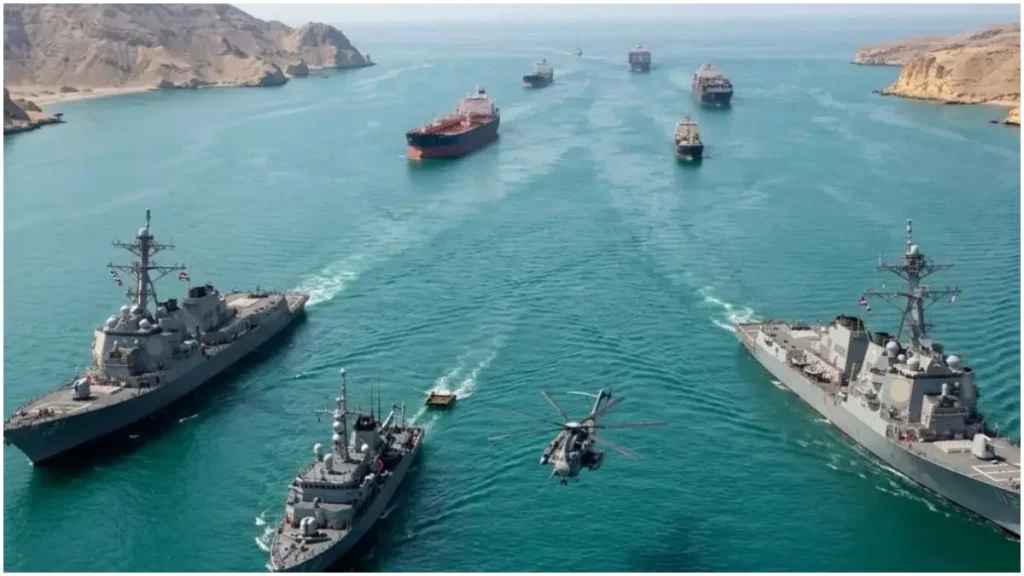
International naval forces have reportedly increased their presence in the surrounding waters to monitor the situation and ensure the safety of commercial shipping. While diplomatic channels remain open, the military posturing in the region suggests a fragile standoff. The international community is now watching closely, as the prolonged closure of the Strait could destabilize the global economy and force a shift in how nations approach energy security and maritime trade routes in the Middle East.