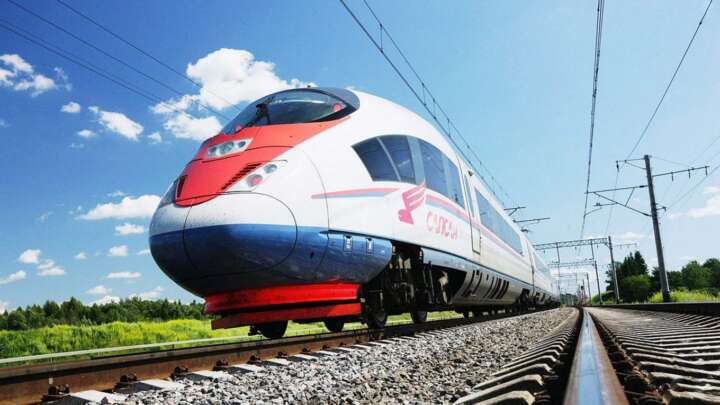
The town of Palamaneer is currently trending across social media and regional news platforms as a major demand for enhanced transit infrastructure gains momentum. Positioned at a unique geographical crossroads, residents and local advocates are highlighting the town’s potential to become a central hub connecting major South Indian metropolises. The core of the viral demand suggests that with the right high-speed rail or expressway integration, travel times could be slashed to just 25 minutes to Bengaluru and 45 minutes to Chennai, making it an ideal residential and logistics corridor.
This surge in interest is largely driven by Palamaneer’s proximity to the upcoming Chennai-Bengaluru Industrial Corridor and several planned infrastructure projects. Proponents argue that the town’s location on the National Highway makes it a natural pitstop, but a more formal upgrade into a high-speed transit node would transform the local economy. By positioning Palamaneer as a “satellite hub,” it could alleviate the housing pressures of Bengaluru and Chennai while offering a serene, well-connected alternative for professionals and industrial developers alike.
The “viral” nature of this demand has sparked a broader conversation about decentralized development in the region. Local stakeholders are urging the government to prioritize the town in future transportation phases, citing the massive potential for employment generation and trade. As the maps circulate online showing the rapid commute possibilities, the public discourse is shifting toward how Palamaneer can leverage its strategic “middle ground” status to bridge the gap between two of India’s biggest economic engines.