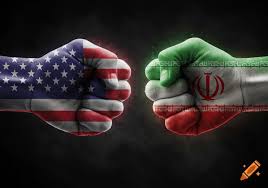
In a significant diplomatic move aimed at de-escalating tensions in West Asia, representatives from the United States and Iran have arrived in Islamabad, Pakistan, for a critical second round of peace talks. Following a period of intense standoff, the arrival of high-level delegates suggests a renewed push for a diplomatic resolution. While U.S. Vice President JD Vance, who attended the first round, is not present this time, official sources indicate he may join the talks later if a breakthrough agreement appears imminent.
The discussions are centered around three core issues that previously led to a stalemate. These include:
-
Nuclear Program: Disagreements over Iran’s enriched uranium stockpile and guarantees against further nuclear weapon development.
-
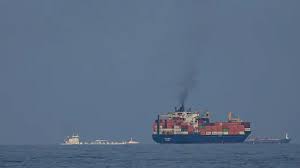
Maritime Security: The reopening of the strategic Strait of Hormuz to ensure global trade stability.
-
Regional Conflict: Negotiations regarding the ongoing ceasefire between Israel and Hezbollah, which was recently extended for three more weeks.
Pakistan is playing a pivotal role as a mediator in this historic dialogue. Prime Minister Shehbaz Sharif and General Asim Munir are leading the efforts, leveraging Pakistan’s unique diplomatic position and close ties with Iran, the U.S., China, and Saudi Arabia to facilitate communication. While the White House expressed optimism for productive direct talks, Iranian state media maintained a more cautious stance, stating they have no immediate intention for “direct” negotiations but remain open to discussing the scope of their rights regarding uranium enrichment.
This summit is being viewed as one of the most high-stakes diplomatic interactions between the two nations since the 1979 Islamic Revolution. With the first round on April 11 ending inconclusively after 21 hours of deliberation, all eyes are now on Islamabad to see if these negotiations can pave the way for a lasting peace agreement in a volatile region.
How do you think the outcome of these talks might affect global energy prices?