Tensions in the Middle East have reached a critical boiling point following threats from U.S. President Donald Trump regarding Iran’s energy sector. In a sharp counter-warning, Iran has cautioned neighboring Gulf countries and U.S. allies against supporting any military action. Iranian Vice President Mohammad Esmail Saghaye-Esfahani stated that any attack on Iran’s infrastructure, including oil wells or the blockade of the Strait of Hormuz, would be met with a response “four times as severe.” He emphasized that “one oil well equals four oil wells” in their retaliatory calculations, signaling that supporters of “aggressors” would suffer disproportionate losses.
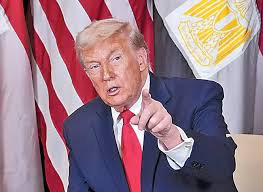
On the other side of the conflict, President Donald Trump has been intensifying economic and psychological pressure. Using platforms like Truth Social and interviews with Fox News, Trump claimed that Iran is on the verge of economic collapse, losing nearly $500 million daily. He suggested that continued sanctions would soon bring Iran’s oil pipelines to a critical state and mentioned that even the Iranian military and police are struggling with unpaid salaries. Trump’s strategy appears focused on disrupting Iran’s ability to transport oil to storage centers or tankers, forcing them to reopen the Strait of Hormuz under U.S. terms.
The standoff has led to a diplomatic deadlock regarding second-stage peace talks and a permanent ceasefire. While countries like Pakistan have attempted to mediate, Iran recently expressed skepticism about Islamabad’s impartiality, accusing it of being too aligned with Washington’s interests. Meanwhile, the Speaker of the Iranian Parliament, Mohammad Bagher Ghalibaf, dismissed Trump’s threats with a “mathematical equation,” asserting that Iran’s supply remains essential to meet global demand. As both nations trade threats, the global energy market remains on edge, fearing a direct conflict that could cripple regional oil production.