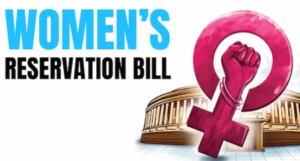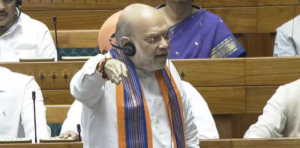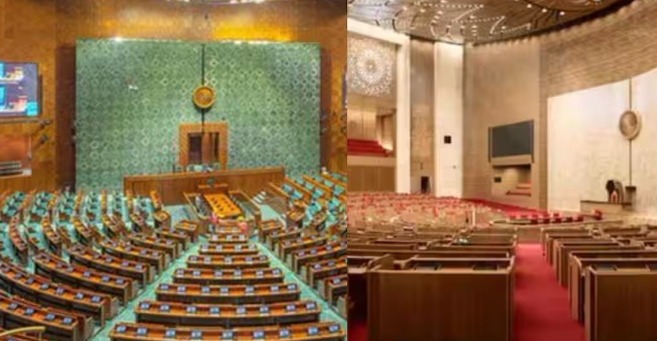
April 16, 2026, marks a transformative moment in Indian democracy as the Central Government introduces the “Nari Shakti Vandan Adhiniyam” alongside the much-debated Delimitation Bill. These legislative moves aim to provide a 33% reservation for women in the Lok Sabha and state assemblies while simultaneously redrawing constituency boundaries based on the latest population data. The government’s vision is to implement these changes by the 2029 general elections, arguing that increasing parliamentary seats is essential to ensure that citizen representation keeps pace with the country’s growing population.
The proposed Delimitation Bill suggests a massive expansion of the Lok Sabha, potentially increasing the total number of seats from the current 543 to 850. Under this plan, seats representing states would rise to 815, while Union Territories would see their representation grow to 35 seats. While the government frames this as a necessary step to strengthen democratic roots and voter parity, opposition parties have expressed concerns. Many argue that linking women’s reservations to the delimitation process is a complex political maneuver that could disadvantage certain regions, particularly in South India.
Passing these bills remains a significant “Agni Pariksha” (trial by fire) for the ruling NDA government due to the requirement of a two-thirds majority for constitutional amendments. In the Lok Sabha, the government needs approximately 360 votes but currently holds 293, leaving a gap of 67 votes. Similarly, in the Rajya Sabha, they are about 21 votes short of the required 163. With former allies like the BRS and BJD showing hesitation over the delimitation aspect, the government faces a steep uphill climb to secure the necessary consensus and turn these historic proposals into law.